OUR MODEL
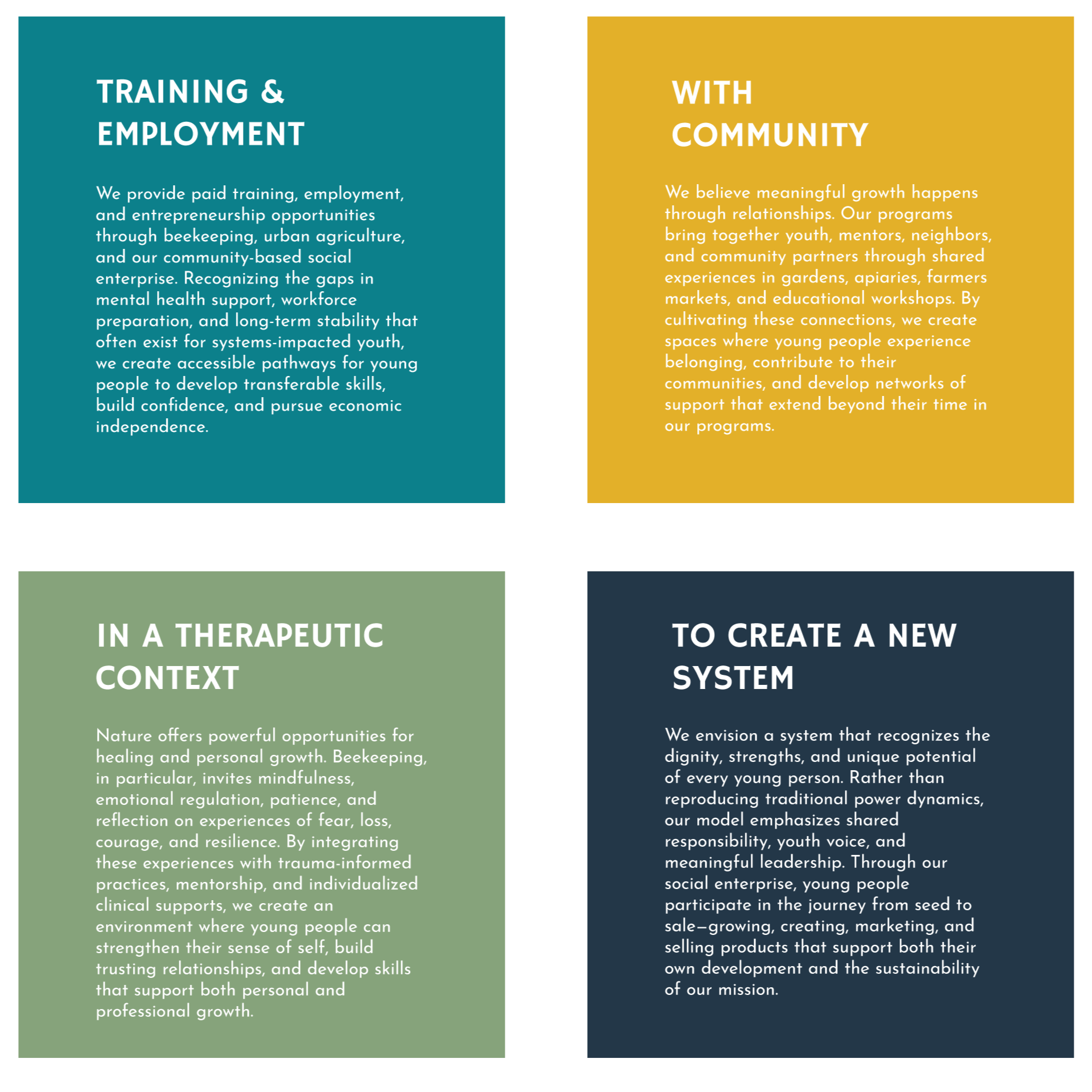
At Huneebee Project, we believe that healing, meaningful work, and community connection are essential foundations for a thriving future.
Our model integrates nature-based healing, equitable workforce development, and supportive relationships to create opportunities for youth impacted by foster care and other systems.
Discover more about our paid youth workforce training program and how working with bees and in nature creates opportunities for emotional growth, connection, and healing. Click below to learn more:
Growing Futures Workforce Initiative
Therapeutic Beekeeping & Nature-Based Healing
EXPLORE OUR MODEL IN ACTION
EXPLORE OUR MODEL IN ACTION
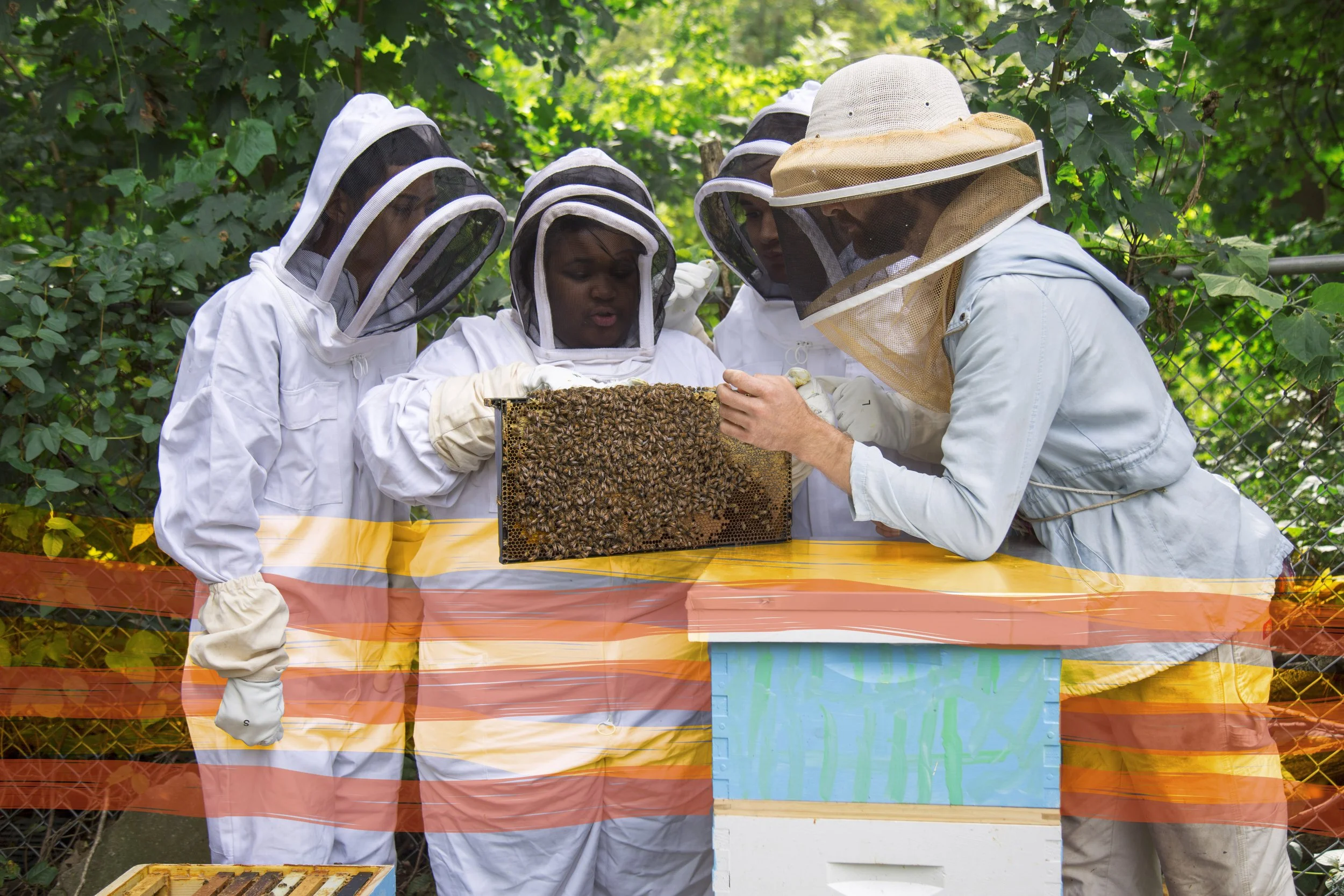
GROWING FUTURES WORKFORCE INITIATIVE
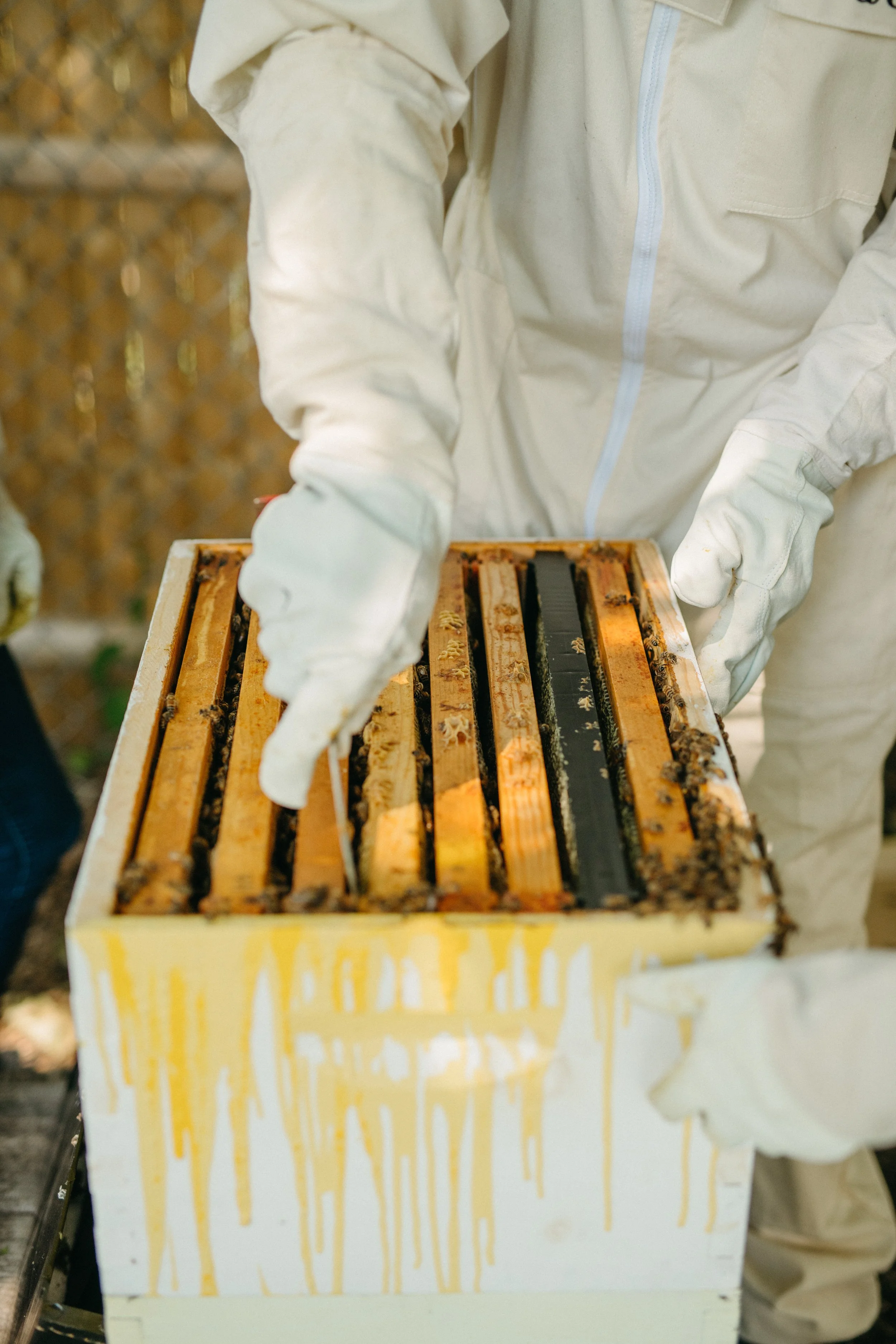
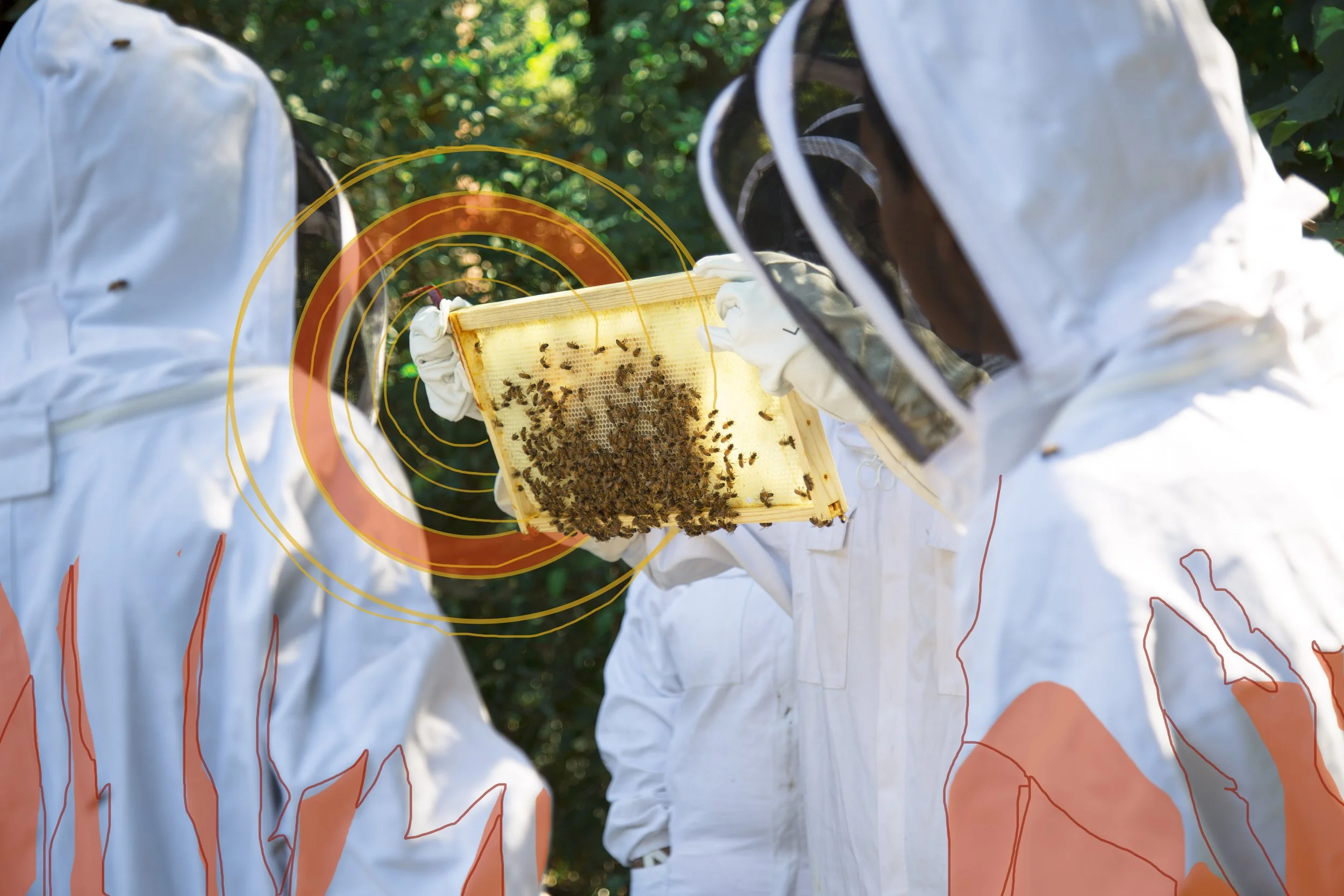
At Huneebee Project, we use beekeeping and time in nature as opportunities for healing, self-discovery, and personal growth. Caring for honey bees invites young people to slow down, become present, navigate uncertainty, and build confidence through experience. These moments create opportunities to practice patience, mindfulness, emotional regulation, and resilience while developing meaningful connections with nature and one another.
-
Beekeepers-in-Residence (BKIR) is a 18-week and 215 hour paid workforce training program for youth ages 14–18.
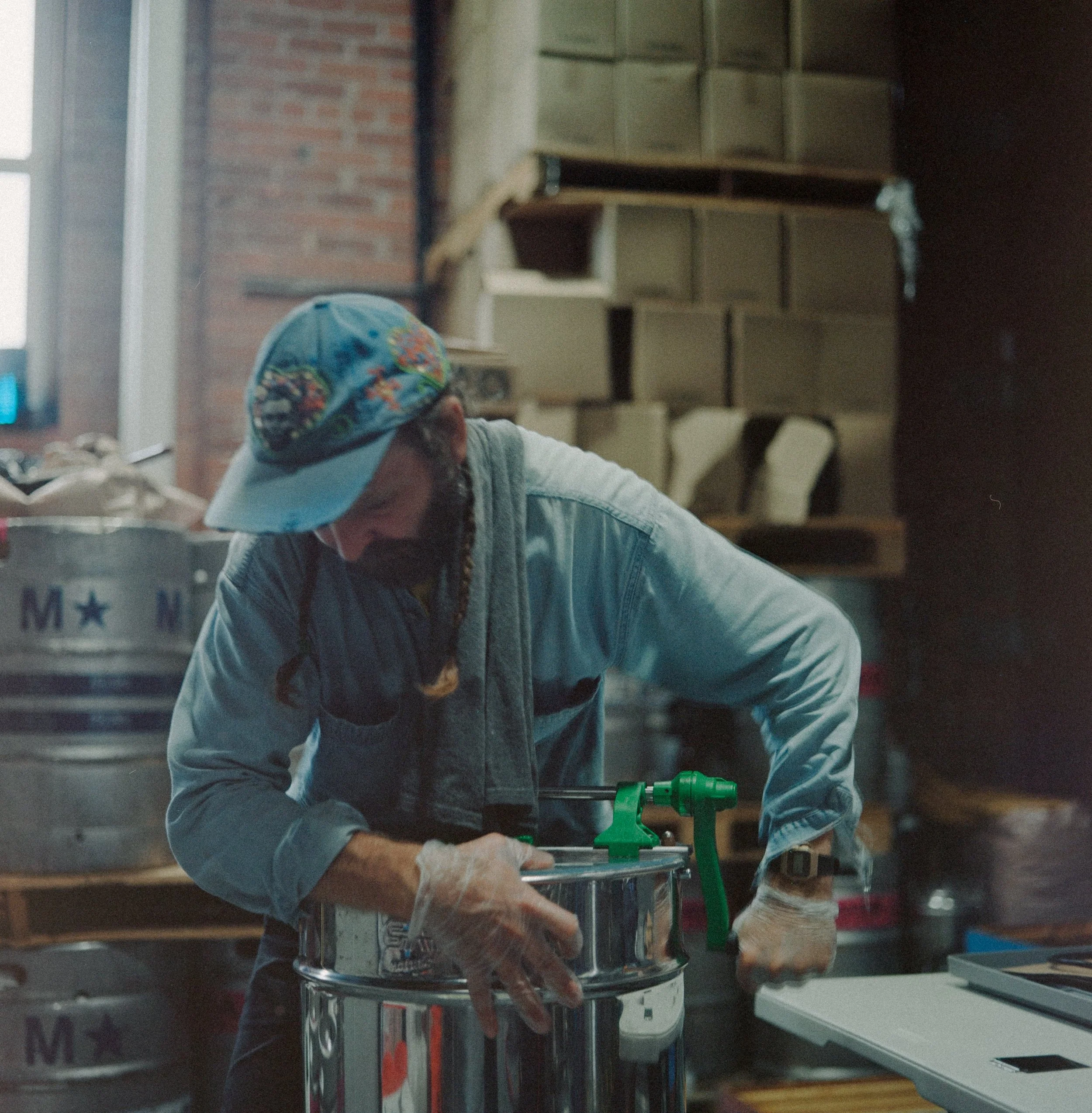
Participants gain hands-on experience in sustainable agriculture, beekeeping, environmental stewardship, and social enterprise operations while maintaining pollinator gardens and honey bee colonies, harvesting honey, preparing products for markets, and developing workplace skills.
Youth also receive individualized mentorship, resume development support, professional development workshops, and wellness-based activities that strengthen confidence and employment readiness.
-
The Growing Futures Internship Program, which provides paid employment experiences through youth internships and paid positions:
2 Youth Beekeeper positions
2 Farmers Market Interns
2 Honey House Interns
Youth Beekeepers build upon their training through apiary maintenance, honey production, community hive checks, and educational workshops. Farmers Market Interns gain entrepreneurial and business skills through product preparation, marketing, customer engagement, and sales. Together, these roles provide youth with experience across the full lifecycle of a mission-driven social enterprise.
-
Alumni career support and workforce advancement provides continued support beyond training and employment.
Our youth services includes:
Weekly office hours
Monthly alumni dinners and speaker series
Career coaching
Mentorship
Connections to employment and community resources
THERAPEUTIC BEEKEEPING & NATURE-BASED HEALING
What can working with bees teach us about ourselves, our relationships, and our well-being?
At Huneebee Project, we use beekeeping and time in nature as opportunities for healing, self-discovery, and personal growth. Caring for honey bees invites young people to slow down, become present, navigate uncertainty, and build confidence through experience. These moments create opportunities to practice patience, mindfulness, emotional regulation, and resilience while developing meaningful connections with nature and one another.
HOW IT WORKS
Therapeutic beekeeping brings together nature-based healing, workforce development, and supportive relationships. Through hands-on work in our apiaries and gardens, young people learn to care for living systems, work through challenges, and recognize their own strengths. Trauma-informed mentorship, individualized clinical support, and opportunities for reflection help connect these experiences to personal growth and everyday life.
Our approach focuses on the experience of working with bees and the natural environment, rather than using bee products as medical treatments. This distinguishes therapeutic beekeeping from apitherapy, which involves the therapeutic use of bee products such as honey, propolis, or bee venom.
UNDERSTANDING OUR IMPACT
We are committed to better understanding how therapeutic beekeeping and time in nature may support youth well-being over time. BKIR participants complete the Ohio Scales, PTSD Checklist (PCL), and Trauma History Questionnaire (THQ) before and after the program. Youth who continue into employment complete assessments at the start of employment and every six months thereafter.
Initial findings across eight BKIR cohorts show decreases in reported depressive, anxiety, and trauma-related symptoms following participation. We are building on these findings through continued evaluation and research to better understand the potential benefits of our approach and how we can continue to strengthen it.
Watch this short documentary by filmmaker Maddie Nagler to learn the healing power of the hive.
Want to learn more about the connection between bees and well-being? Explore articles and published research on therapeutic beekeeping, nature-based healing, and mental health.
-
An accessible introduction to the potential mental health benefits of beekeeping and the experiences behind this growing field.
-
European Psychiatry · 2024
Explore research examining beekeeping as a potential tool within mental health and rehabilitation settings.
-
Mental Health & Prevention · 2026
A study exploring a 12-session beekeeping program with adolescents ages 14–18. Participants described experiences related to reduced stress, emotional well-being, social connection, and a stronger sense of purpose. Particularly relevant to Huneebee’s work with young people.
-
Frontiers in Psychology · 2024
A qualitative study exploring how beekeeping within an environmental conservation initiative related to participants’ psychological and social well-being. Findings highlighted connection with nature and community, a sense of purpose, personal strengths, and opportunities for relaxation.
learn about our SOCIAL ENTERPRISES
Our community-based social enterprises transform the experience and the products of our gardens and hives into opportunities for youth leadership, entrepreneurship, environmental stewardship, and economic growth. Proceeds directly fund installation of beehives and pollinator habitats, employment of local youth, professional development services and community-based workshops.